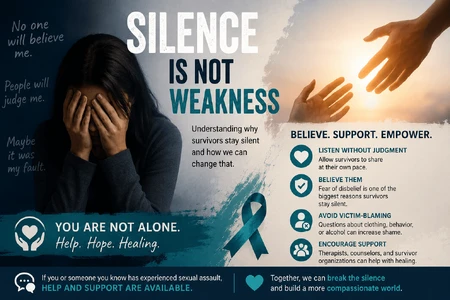
Sexual assault is one of the most underreported forms of violence in the world. Many survivors wait years — sometimes decades — before sharing their experiences. This delay is not because the trauma was unimportant. In many cases, silence becomes a survival response shaped by fear, shame, and emotional trauma.
Understanding why survivors stay silent is essential for building a more compassionate and informed society.
Why Survivors Often Stay Silent
Trauma affects the brain in powerful ways. After an assault, many survivors experience shock, denial, emotional numbness, or confusion. Some struggle to process what happened, while others fear the consequences of speaking out.
Shame and Self-Blame
Many survivors wrongly blame themselves for the assault. They may fear being judged, ignored, or accused of lying. Victim-blaming attitudes in society often make these fears even worse.
Common thoughts include:
- “No one will believe me.”
- “People will judge me.”
- “Maybe it was my fault.”
These feelings can keep survivors silent for years.
Fear and Manipulation
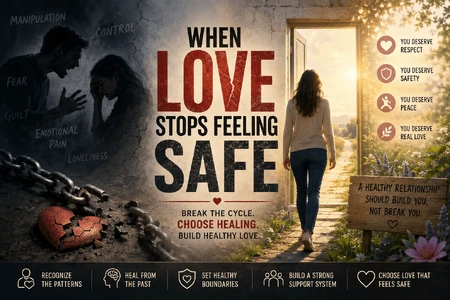
Sexual assault is often committed by someone the survivor knows, such as a partner, family member, friend, or authority figure. Abusers may use threats, manipulation, or emotional control to keep victims quiet.
In some cases, survivors depend on the abuser financially or emotionally, making disclosure even more difficult
Trauma Can Delay Understanding
Not every survivor immediately recognizes their experience as assault. Situations involving coercion, intoxication, or emotional pressure can create confusion about consent. Some survivors only fully understand the trauma years later.
How Public Conversations Are Changing Things
In recent years, survivor advocacy and awareness campaigns have encouraged more open discussions about sexual violence. Public conversations about consent, trauma, and mental health are helping reduce stigma.
When survivors hear others share their stories, they often feel less alone and more supported.
Supporting Survivors the Right Way
When someone speaks about sexual assault, compassionate responses matter.
Helpful Ways to Respond
Listen Without Judgment
Allow survivors to share at their own pace.
Believe Them
Fear of disbelief is one of the biggest reasons survivors stay silent.
Avoid Victim-Blaming
Questions about clothing, behavior, or alcohol can increase shame.
Encourage Support
Therapists, counselors, and survivor organizations can help with healing.
Conclusion
Survivors of sexual assault often delay speaking because of trauma, fear, shame, and social pressure. Silence is not weakness — it is often a coping mechanism developed during overwhelming pain.
As society becomes more informed about trauma and consent, survivors are slowly finding safer spaces to speak and heal.
Call to Action
If you or someone you know has experienced sexual assault, remember that help and support are available. By listening with empathy, believing survivors, and challenging harmful stigma, we can help create a world where survivors no longer feel forced into silence.