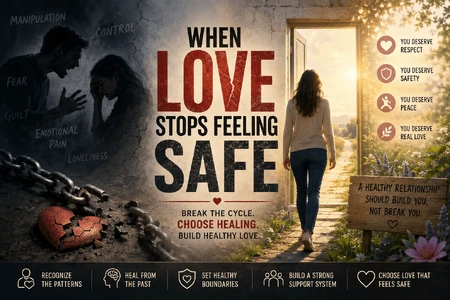
Introduction: When Love Stops Feeling Safe
Love is meant to bring comfort, trust, and emotional connection. But for many people, relationships become a cycle of pain, manipulation, and emotional survival. Instead of feeling safe, they feel trapped in repeated toxic relationships or multiple unhealthy marriages.
Why do people stay in relationships that hurt them? The answer often lies in trauma bonding, fear of loneliness, financial dependence, and emotional conditioning developed over years of experience.
Understanding these patterns is the first step toward breaking free and building healthier relationships.
Understanding Toxic Relationship Cycles
A toxic relationship is one that consistently damages emotional, mental, or even physical well-being.
Common Signs of a Toxic Relationship
- Constant criticism or humiliation
- Manipulation and guilt-tripping
- Extreme jealousy or control
- Emotional unpredictability
- Isolation from loved ones
- Repeated dishonesty
- Cycles of affection followed by cruelty
Many toxic relationships follow the same cycle:
- Tension builds
- Conflict or abuse happens
- Apologies and affection follow
- Temporary calm returns
- The cycle repeats
Over time, this creates emotional confusion and dependency.
Trauma Bonding: When Pain Feels Like Love
Trauma bonding happens when emotional highs and lows create a strong psychological attachment.
How Trauma Bonds Form
A toxic partner may switch between:
- Love and cruelty
- Attention and neglect
- Validation and criticism
This inconsistency causes the victim to crave affection and approval from the same person causing emotional pain.
As a result, leaving the relationship can feel emotionally impossible.
Fear of Loneliness and Emotional Conditioning
Many people remain in unhealthy relationships because loneliness feels more frightening than emotional suffering.
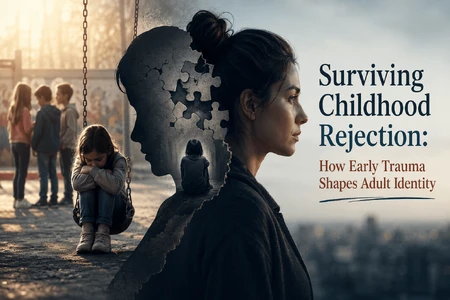
Childhood Experiences Matter
People who experienced rejection, neglect, or unstable family environments may grow up believing love must be earned through sacrifice or suffering.
This can lead to repeating unhealthy relationship patterns in adulthood.
Common Thoughts That Keep People Stuck
- “Maybe they’ll change.”
- “At least I’m not alone.”
- “I can fix this relationship.”
- “No one else will love me.”
These beliefs often come from low self-worth rather than reality.
Financial Dependence and Emotional Survival
Financial control can make toxic relationships even harder to leave.
Signs of Financial Manipulation
- Controlling access to money
- Discouraging independence or work
- Creating financial dependence
- Using money as leverageOver time, emotional exhaustion and financial fear can make escape feel impossible.
Red Flags People Often Ignore
Recognizing warning signs early can prevent deeper emotional damage.
Major Red Flags
Love Bombing
Excessive affection and attention early in the relationship to create fast emotional attachment.
Controlling Behavior
Attempts to isolate you from friends, family, or personal independence
Lack of Accountability
Blaming others, refusing responsibility, or twisting situations to avoid fault.
Emotional Volatility
Constant mood swings that create anxiety and instability.
The Emotional Toll of Toxic Relationships
Long-term toxic relationships can seriously affect mental health.
Common Effects
- Anxiety and depression
- Low self-esteem
- Emotional exhaustion
- Difficulty trusting others
- Chronic stress
- Feeling disconnected from your identity
Many survivors feel they lost themselves while trying to save the relationship.
Rebuilding Healthy Relationship Patterns
Healing starts by recognizing that love should not feel like survival.
Steps Toward Healing
- Seek professional support or therapy
- Rebuild self-esteem
- Establish healthy boundaries
- Strengthen support systems
- Slow down new relationships
Healthy love is built on trust, respect, safety, and emotional stability — not fear and emotional chaos.
Conclusion: Love Should Not Hurt Constantly
When toxic relationships become familiar, emotional pain can start to feel normal. But real love should not leave someone constantly anxious, exhausted, or emotionally trapped.
Breaking unhealthy cycles takes awareness, healing, and support. With time, people can learn to build relationships rooted in respect instead of survival.
Call to Action
If this article resonated with you, share it with someone who may need support or encouragement. Continue learning about healthy boundaries, trauma healing, and emotional well-being — because everyone deserves a relationship built on love, not survival.