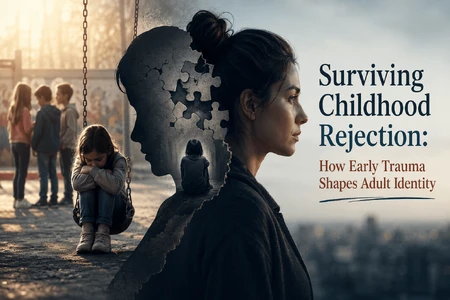
Childhood is meant to provide love, safety, and emotional support. But for many people, early life is shaped by rejection, neglect, abandonment, or instability. Whether caused by absent parents, emotional neglect, bullying, or learning they were an unwanted pregnancy, these painful experiences can deeply affect a person’s identity long into adulthood.
The truth is, childhood trauma does not simply disappear with age. It often shapes self-worth, relationships, emotional health, and the way people see themselves for years. Yet healing and resilience are possible.
How Childhood Rejection Affects Emotional Development
Children learn their value through the way they are treated. When caregivers are distant, critical, or emotionally unavailable, children may begin believing:
- “I’m not lovable.”
- “I don’t matter.”
- “People will always leave me.”
These beliefs often follow survivors into adulthood and influence their confidence and relationships.
Common Effects of Early Trauma
Adults who experienced rejection or neglect may struggle with:
- Low self-esteem
- Fear of abandonment
- Anxiety or depression
- Difficulty trusting others
- People-pleasing behaviors
- Emotional numbness
- Trouble forming healthy relationships
Many survivors develop survival behaviors that once protected them as children but later create emotional challenges in adult life.
Attachment Issues and Adult Relationships
Childhood trauma often affects attachment styles.
Anxious Attachment
Some adults constantly fear rejection and seek reassurance in relationships.
Avoidant Attachment
Others avoid emotional closeness altogether because vulnerability feels unsafe.
Disorganized Attachment
Some survivors experience both — craving love while fearing it at the same time.
Without healing, these patterns can lead to toxic relationships, emotional instability, or loneliness.
The Impact on Self-Worth
One of the deepest wounds of childhood rejection is feeling “not good enough.”
Many trauma survivors:
- Struggle to accept compliments
- Become perfectionists
- Constantly seek approval
- Stay in unhealthy relationships
- Feel unworthy despite success
These patterns are often rooted in unresolved childhood pain.
Healing From Childhood Trauma
Recovery begins with understanding how the past shaped emotional patterns.
Helpful Healing Approaches
Therapy
Approaches like Cognitive Behavioral Therapy (CBT), EMDR, and trauma-informed counseling can help survivors process painful experiences.
Healthy Boundaries
Learning to say no and protect emotional space helps rebuild self-respect.
Self-Compassion
Replacing self-criticism with kindness is a powerful part of healing.
Supportive Relationships
Safe, healthy connections can help survivors rebuild trust and emotional security.
Resilience After Rejection
Although childhood trauma leaves scars, many survivors go on to build meaningful and successful lives. Some become advocates, parents, artists, writers, or mentors who break unhealthy generational cycles.
Pain may shape part of a person’s story, but it does not have to define their future.
Conclusion
Childhood rejection can deeply influence adult identity, relationships, and emotional health. But healing is possible with awareness, support, and self-compassion.
Understanding the roots of emotional struggles is often the first step toward building a healthier and more confident future.
Call to Action
If this article spoke to you, share it with someone who may need encouragement or understanding. And if you are struggling with the effects of childhood trauma, consider reaching out to a mental health professional to begin your healing journey.