Introduction: When the Spotlight Becomes a Shield
To the outside world, the entertainment industry often looks glamorous, exciting, and full of opportunity. Audiences see flashing lights, sold-out crowds, beautiful costumes, social media fame, and lives that appear thrilling and carefree. Yet behind many performances lies a different reality—one filled with emotional exhaustion, unresolved trauma, loneliness, and survival.
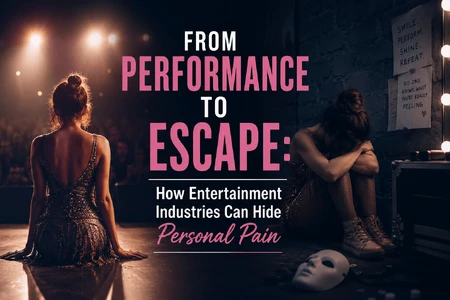
For some people, careers in music, dance, nightlife, acting, and entertainment become more than artistic expression. They become an escape. Performing can temporarily silence emotional pain, replace feelings of rejection with applause, or provide validation that was missing during childhood. The stage can feel safer than real intimacy. Fame can mask insecurity. Attention can distract from trauma.
But while entertainment can offer healing and purpose, it can also hide deep emotional wounds—especially in industries that reward image, perfection, and constant performance.
This article explores how entertainment careers sometimes become coping mechanisms for unresolved pain, why vulnerable individuals may be drawn toward performance-based industries, and how fame, nightlife culture, and emotional struggles often intersect behind closed doors.
Why Performance Can Feel Safer Than Vulnerability
Many performers are deeply sensitive, emotionally expressive people. Creativity often grows from lived experience, emotional intensity, and the desire to be seen or understood. However, unresolved trauma can also shape a person’s relationship with performance in unhealthy ways.
For someone who experienced childhood rejection, neglect, bullying, abandonment, or instability, performing may create temporary emotional relief.
The Emotional Power of Validation
Applause, compliments, social media attention, and audience admiration can provide powerful emotional reinforcement. For individuals who grew up feeling invisible or unloved, external validation may feel addictive.
Performance can create moments where:
- Pain is temporarily forgotten
- Identity feels important
- Loneliness disappears
- Self-worth feels confirmed
- Emotional emptiness is replaced with attention
The problem is that external validation rarely heals internal wounds permanently. Once the performance ends, unresolved emotions often return.
The Entertainment Industry and Escapism
The entertainment world can sometimes reward emotional suppression rather than emotional healing.
Many performers feel pressure to:
- Always appear confident
- Hide emotional struggles
- Maintain a glamorous image
- Stay socially active
- Entertain others constantly
- Ignore burnout or mental exhaustion
In industries centered around nightlife, social events, or public image, emotional pain can easily be hidden behind makeup, costumes, music, alcohol, parties, or online personas.
When Work Becomes Emotional Avoidance
For some individuals, staying constantly busy becomes a way to avoid confronting trauma.
This may include:
- Overworking
- Constant performing
- Excessive partying
- Substance use
- Seeking attention or admiration
- Chasing fame compulsively
- Avoiding emotional intimacy
The entertainment environment may unintentionally encourage these behaviors because distraction is often normalized.
A performer can appear successful while privately struggling with anxiety, depression, dissociation, addiction, or emotional emptiness.
Childhood Trauma and the Need to Be Seen
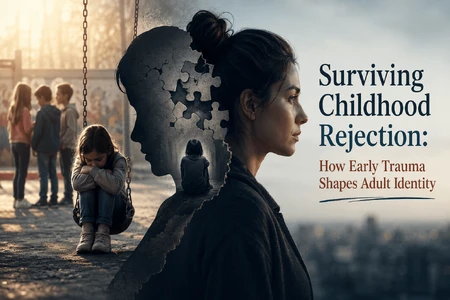
Many psychological experts note that unresolved childhood experiences can influence adult career choices and relationship patterns.
Children who lacked emotional safety sometimes grow into adults who seek visibility, approval, or belonging in highly public environments.
Common Early Experiences That Can Shape Performers
Emotional Neglect
Children who were ignored emotionally may later crave recognition and admiration.
Bullying or Social Rejection
Public success can become a way to reclaim power or prove worth.
Unstable Family Environments
Performance may create structure, identity, or escape from emotional chaos.
Conditional Love
Some individuals learn early that they receive affection only when they achieve, entertain, or perform well.
As adults, they may continue tying self-worth to public approval.
The Hidden Mental Health Struggles Behind Glamour
Entertainment industries often celebrate confidence and charisma while quietly ignoring mental health struggles.
Behind the scenes, many performers experience:
- Severe anxiety
- Depression
- Burnout
- Identity confusion
- Loneliness
- Substance dependency
- Trauma-related symptoms
- Sleep disorders
- Emotional isolation
The Pressure of Maintaining an Image
Social media has intensified these pressures.
Performers are now expected to maintain a constant online identity, creating additional emotional strain. Many feel trapped between:
- Their public persona
- Their private emotional reality
- Audience expectations
- Financial pressure
- Fear of irrelevance
This disconnect can lead to emotional fragmentation, where a person no longer feels connected to their authentic self.
Fame, Nightlife, and Vulnerability
Nightlife and entertainment spaces can create environments where emotional vulnerability and exploitation intersect.
People struggling with unresolved trauma may be more vulnerable to:
- Manipulation
- Exploitative relationships
- Toxic management
- Substance abuse culture
- Unsafe working conditions
- Emotional dependency
- Predatory behavior
Why Vulnerable Individuals May Stay in Harmful Environments
Trauma can normalize instability.
Someone who grew up around chaos or emotional inconsistency may unconsciously tolerate unhealthy environments because they feel familiar. In entertainment settings, this can make it difficult to recognize exploitation or leave harmful situations.
Additionally, financial pressure, fear of losing opportunities, or emotional attachment to validation can keep individuals trapped in destructive cycles.
The Difference Between Passion and Escapism
Not every performer is using entertainment to escape pain. Many artists pursue their craft from genuine passion, creativity, and purpose.
The key difference lies in emotional dependency.
Healthy Passion Looks Like:
- Enjoying performance without tying it entirely to self-worth
- Maintaining personal boundaries
- Having relationships outside the industry
- Prioritizing mental health
- Being able to rest without guilt
- Separating identity from public approval
Escapism Often Looks Like:
- Feeling worthless without attention
- Constantly needing validation
- Avoiding emotional healing
- Using performance to numb pain
- Fear of being alone with one’s thoughts
- Losing personal identity outside work
Recognizing these patterns is not about judgment—it is about self-awareness.
Healing Behind the Spotlight
Healing does not require abandoning creativity or performance. In many cases, art itself can become part of recovery.
Music, dance, acting, and storytelling can help individuals:
- Process emotions
- Reconnect with identity
- Express trauma safely
- Build supportive communities
- Transform pain into meaning
However, healing becomes healthier when emotional support exists outside public validation.
Important Steps Toward Emotional Recovery
Therapy and Trauma Support
Professional support can help individuals understand how early experiences influence current behaviors.
Building Authentic Relationships
Healthy relationships create emotional safety beyond applause or public admiration.
Creating Boundaries in the Industry
Learning to say no, protect personal well-being, and avoid exploitative environments is essential.
Separating Identity From Performance
A person’s worth should not depend entirely on popularity, fame, or audience approval.
Why These Conversations Matter
Entertainment industries often celebrate success while overlooking emotional suffering behind the scenes.
More honest conversations about trauma, mental health, exploitation, and emotional vulnerability are necessary—not to shame performers, but to humanize them.
The reality is that many people who appear confident, glamorous, or socially powerful may still carry deep emotional pain privately.
Recognizing this truth encourages compassion, awareness, and healthier industry cultures.
Conclusion: The Person Behind the Performance
Behind every performance is a human being—not just a brand, image, or persona.
While entertainment can offer creativity, connection, and opportunity, it can also become a hiding place for unresolved emotional wounds. Fame, nightlife, and constant performance may temporarily distract from pain, but true healing requires more than applause.
The most powerful transformation happens when individuals no longer need performance to prove their worth.
Creativity can still thrive. Passion can still exist. But healing begins when people feel safe enough to be seen beyond the spotlight.
Call to Action (CTA)
If this article resonated with you or someone you know, consider sharing it to help raise awareness about the emotional realities hidden behind entertainment culture. Conversations about trauma, mental health, and vulnerability can help reduce stigma and encourage healing.
And if you are struggling privately behind a public image, remember: seeking support is not weakness—it is a step toward reclaiming your life beyond the performance.