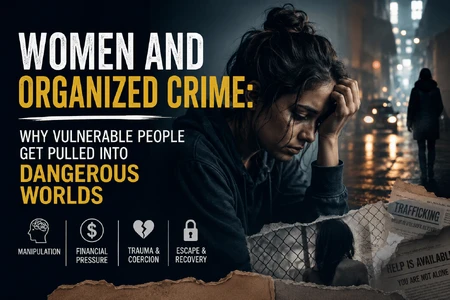
Introduction: When Survival Leads to Dangerous Choices
Many people assume organized crime only attracts those seeking money or power. But for many vulnerable women, involvement often begins with survival.
Poverty, trauma, abuse, addiction, homelessness, and emotional manipulation can push people toward dangerous environments they never intended to enter. In many cases, organized criminal networks target individuals who are isolated, financially desperate, or emotionally vulnerable.
This article explores why some women become trapped in exploitative systems, how manipulation works, and how survivors rebuild their lives afterward.
How Vulnerability Becomes Exploitation
Financial Desperation
Economic hardship is one of the biggest factors that can pull women into criminal networks. When someone struggles to afford housing, food, or safety, risky opportunities may feel like the only option.
Criminal groups may offer:
- Fast money
- Housing
- Protection
- Employment
- Emotional support
What starts as a small favor — delivering packages, handling money, or working informal jobs — can slowly become deeper criminal involvement.
Emotional Manipulation and Grooming
Many women are recruited through emotional control rather than force at first.
Manipulators often pose as:
- Romantic partners
- Friends
- Mentors
- Helpers
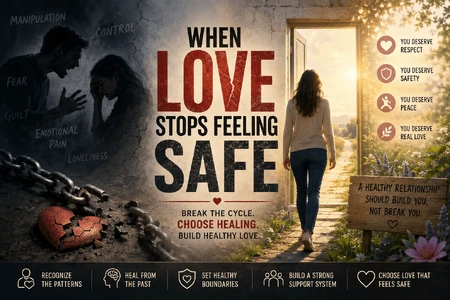
Over time, they create dependency through affection, financial support, or promises of stability. Eventually, the relationship may shift into coercion, threats, or exploitation.
Trauma and the Blurred Line Between Choice and Coercion
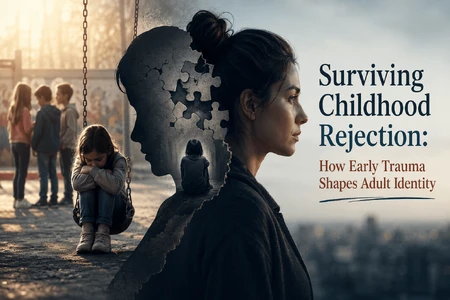
Women with histories of childhood trauma, abuse, or neglect may be more vulnerable to exploitative relationships later in life.
Fear, emotional dependency, addiction, or threats can make leaving extremely difficult. Some women may appear to “choose” involvement while lacking realistic alternatives.
This creates a blurred line between survival and coercion.
Why Leaving Is So Hard
Escaping organized crime is rarely simple.
Many survivors fear:
- Violence
- Retaliation
- Losing financial support
- Public shame
- Losing custody of children
Others feel isolated and believe they have nowhere safe to go.
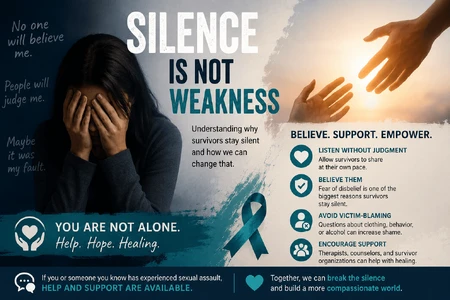
Even after leaving, survivors may struggle with PTSD, anxiety, financial instability, and rebuilding trust.
Rebuilding Life After Exploitation
Recovery often requires:
- Safe housing
- Therapy
- Financial support
- Legal assistance
- Community programs
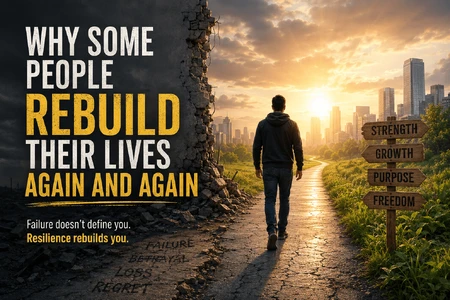
With the right support systems, many survivors rebuild their lives and even help others escape similar situations.
Healing takes time, but recovery is possible.
Conclusion
The story of women in organized crime is often more complicated than society assumes. Behind many cases are trauma, manipulation, fear, and survival struggles.
Understanding these realities helps create more compassionate conversations about exploitation, prevention, and recovery.
Call to Action (CTA)
If you found this article valuable, share it to help raise awareness about how vulnerability and exploitation intersect. Greater understanding can help protect at-risk individuals and support survivors seeking a safer future.